
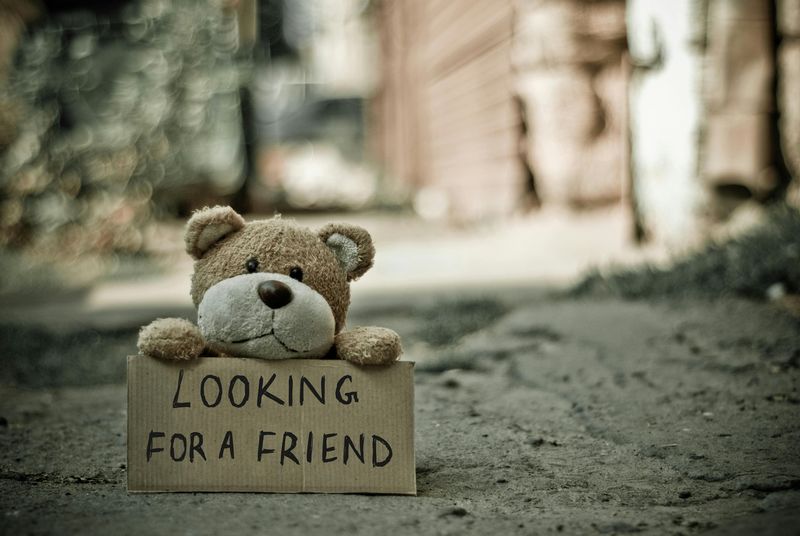
Loneliness Can Kill You
Before the Covid crisis, reports were already surfacing about a loneliness epidemic spreading through the country. As political divides widened and technology replaced traditional communication, more time was spent in isolation. Video games, streaming services, social media - these pastimes took over, and all of them are best done at home all by one’s self.
When a globe-spanning virus caused people to sequester for a year it turned an emerging problem into a full-on crisis. The U.S. Surgeon General actually issued an advisory in 2023 discussing loneliness and “the healing effects of social connection and community.” Nearly three out of five people report being lonely.
And loneliness doesn’t discriminate based on age: kids suffer it due to extensive use of social media and smartphones, and seniors become lonely from lack of social networks.
Loneliness is toxic where mental health is concerned. It can cause depression, increase social anxiety, exacerbate symptoms of psychosis, and lead to substance abuse as a coping mechanism. People suffering from loneliness may also have problems controlling their eating and sleeping habits.
That’s just mental health. Physical health also takes a hit. Consequences of isolation include a 29% increased risk of heart disease, 32% increased risk of stroke, 50% risk of dementia, and a drastically increased risk of premature death.
If we take a step back it’s clear humans evolved living together but each day spend increasing time in isolation. People are beginning to live life behind a computer or phone or TV, whether at work or play. Vanishing communities leave those vulnerable without access to meaningful connection. Also worth noting is the development in modern times of easy travel. It’s now possible to live thousands of miles away from one’s hometown.
So how do we combat loneliness? Luckily it’s a solvable problem, and the power lies in the hands of the lonely individual. The key is to take action.
- Make a list of people you’d like to see who may cheer you up, and make arrangements to meet them sometime soon. Check to see how your mood feels afterwards. Did it cheer you up?
- Even if someone is far away you could always give them a call! Listening to a fellow human’s voice helps us almost as much as a handshake or pat on the back.
- Join an organization, club, weekly game night, or a church. These are great places to meet people with similar interests and values.
- Volunteering, like joining a group, is a great way to make connections. Plus altruism helps our mental and physical health in more ways than just reducing loneliness!
- Get motivated. It might sound like tough love, but even when you feel like staying on the couch ruminating on woes, try to rally yourself up. Take that pleasant walk, go to that book club, meet that friend for coffee. Once you get that forward momentum going, your mood may pick up, the loneliness may lift, and you might tap back into a connected life.
Sometimes when loneliness is overly persistent or leads to a depression that won’t go away, it’s advisable to reach out for a licensed mental health professional. They have proven tools to help you including talk therapy, cognitive behavioral therapy, acceptance and commitment therapy, and medication in severe instances.
For further discussion on this topic, please check out our podcast “The Breakdown with Dr. B” wherever you find your favorite podcasts.
Bregman Medical Group has decades of experience helping people with depression, loneliness, and countless other mental health issues. We care about you, and we offer our services via telehealth, right to your device! Simply schedule at www.bregmanmedicalgroup.com or call 305-740-3340.
References: